
Lymphatic Drainage Massage in Mason, Ohio
Regenerative Aesthetics offers personalized lymphatic drainage massage in Mason, Ohio using gentle, rhythmic techniques designed to encourage the natural movement of lymphatic fluid throughout the body.
Manual lymphatic drainage may help reduce swelling and fluid retention in appropriate patients while supporting a feeling of lightness and comfort. It can also be incorporated into selected post-treatment or post-procedure recovery plans when medically appropriate.
Each session is personalized according to your health history, areas of concern, recent treatments or procedures, and individual goals. We welcome patients from Mason, Cincinnati, West Chester, Deerfield Township, and surrounding Southwest Ohio communities.
What Is Lymphatic Drainage Massage?
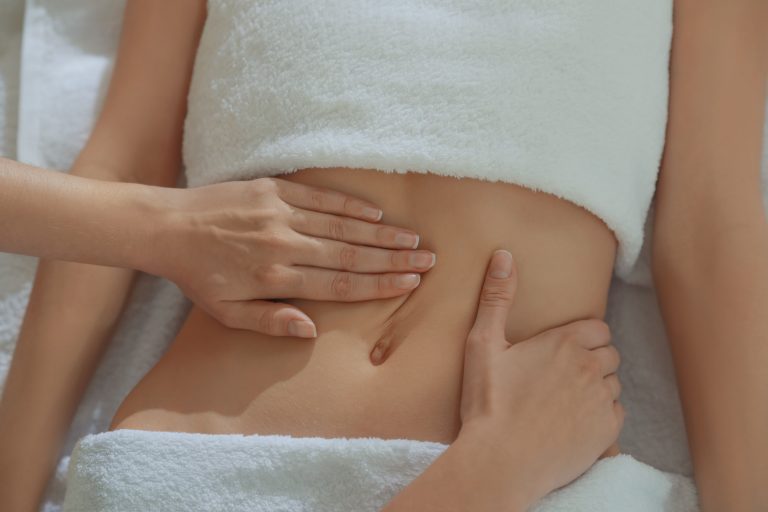
Regenerative Aesthetics offers personalized lymphatic drainage massage in Mason, Ohio using gentle, rhythmic techniques designed to encourage the natural movement of lymphatic fluid throughout the body.
Manual lymphatic drainage may help reduce swelling and fluid retention in appropriate patients while supporting a feeling of lightness and comfort. It can also be incorporated into selected post-treatment or post-procedure recovery plans when medically appropriate.
Each session is personalized according to your health history, areas of concern, recent treatments or procedures, and individual goals. We welcome patients from Mason, Cincinnati, West Chester, Deerfield Township, and surrounding Southwest Ohio communities.
What Is Lymphatic Drainage Massage?
-
Lymphatic drainage massage, also called manual lymphatic drainage or MLD, is a specialized form of gentle massage that uses light pressure and specific movements to encourage lymphatic fluid to move through the body.
The lymphatic system is a network of vessels, lymph nodes, and organs that helps maintain fluid balance and supports normal immune function. When lymphatic flow is disrupted, fluid may accumulate in tissues and contribute to swelling or a feeling of heaviness.
Unlike deep-tissue or traditional relaxation massage, lymphatic drainage relies on light, controlled movements rather than strong pressure on muscles.
How Does Manual Lymphatic Drainage Work?
-
During manual lymphatic drainage, gentle and rhythmic movements are used along specific lymphatic pathways to encourage fluid to move away from areas of buildup and toward functioning lymph vessels and lymph nodes.
The technique may include work around areas where major lymph nodes are located, followed by controlled movements designed to guide excess fluid from surrounding tissues.
Because lymphatic drainage is based on anatomy and fluid movement rather than muscle pressure, the treatment should generally feel gentle and controlled.
Benefits of Lymphatic Drainage Massage
May Help Reduce Swelling
One of the primary uses of manual lymphatic drainage is to help reduce certain types of swelling by encouraging excess lymphatic fluid to move away from affected tissues.
The amount of improvement varies according to the cause of the swelling, overall health, treatment area, and whether other forms of medical or compression therapy are also required.
May Help With Fluid Retention
Some patients seek lymphatic drainage when they experience temporary fluid retention, puffiness, or a feeling of heaviness in selected areas of the body.
A professional assessment is important because persistent or unexplained swelling may have an underlying medical cause that should be evaluated before massage.
Supports Natural Lymphatic Flow
Manual lymphatic drainage is specifically designed to encourage the movement of lymph through functioning lymphatic pathways.
The goal is not to “detox” the body through massage, but to support the normal movement of lymphatic fluid when this type of technique is appropriate.
Gentle and Relaxing Technique
Because manual lymphatic drainage uses light pressure and slow, rhythmic movements, many patients find the treatment comfortable and relaxing.
It differs from deep-tissue massage and does not require intense pressure to work with lymphatic pathways.
Post-Treatment and Post-Procedure Support
Lymphatic drainage may be incorporated into recovery after selected medical or aesthetic procedures when swelling or fluid accumulation is expected and the treating healthcare professional has approved massage.
Timing is important after any procedure. Your provider should review the type of procedure, healing progress, treatment area, and any restrictions before recommending lymphatic massage.
Who May Benefit From Lymphatic Drainage Massage?
Manual lymphatic drainage may be considered for appropriate patients experiencing certain types of swelling, fluid retention, heaviness, or lymphatic congestion.
It may also be considered as part of a medically appropriate recovery plan following selected procedures or treatments.
Lymphatic drainage is not necessary or effective for every patient. If swelling is persistent, unexplained, painful, sudden, or worsening, medical evaluation should take priority over massage.
What Happens During a Lymphatic Drainage Massage?
Your appointment begins with a review of your health history, areas of swelling or fluid retention, recent procedures, medications, and treatment goals.
During the session, light and rhythmic movements are applied along appropriate lymphatic pathways. The pressure is intentionally gentle because lymphatic drainage works differently from traditional or deep-tissue massage.
The areas treated and duration of the session depend on your individual needs and the purpose of treatment.
Is Lymphatic Drainage Massage Painful?
Manual lymphatic drainage should generally be gentle rather than painful. The technique uses light pressure and controlled movements rather than deep muscular manipulation.
If an area is painful, unusually warm, red, or significantly swollen, tell your provider before treatment because these symptoms may require medical evaluation.
How Many Lymphatic Drainage Sessions Will I Need?
There is no single treatment schedule that is appropriate for everyone. Some patients may receive lymphatic drainage as an occasional treatment, while others may benefit from a series of sessions as part of a broader care plan.
The recommended frequency depends on the reason for treatment, severity of swelling, medical history, recent procedures, individual response, and recommendations from your healthcare provider.
If repeated sessions do not produce meaningful improvement, the cause of the swelling or symptoms should be reassessed.
Lymphatic Drainage Massage vs. Traditional Massage
Traditional massage often focuses on muscles, tension, and soft tissues using moderate or deeper pressure.
Manual lymphatic drainage uses much lighter pressure and follows specific pathways associated with the lymphatic system.
The two treatments therefore serve different purposes. Lymphatic drainage should not be viewed simply as a lighter version of a traditional massage.
Is Lymphatic Drainage Massage Safe for Everyone?
Lymphatic drainage massage is not appropriate for everyone, and medical history should be reviewed before treatment.
Treatment may need to be avoided or medically cleared in patients with conditions such as active infection, fever, blood clots or deep vein thrombosis, certain heart conditions, kidney failure, cellulitis, or a recent stroke.
Manual lymphatic drainage should also not be performed directly over known cancerous tissue or certain areas of skin damaged by radiation therapy unless specifically directed by the appropriate medical team.
Lymphatic Drainage After Aesthetic Treatments
Some aesthetic procedures can temporarily cause swelling as part of the normal recovery process.
When appropriate and approved by the treating provider, gentle lymphatic drainage may be incorporated into a post-treatment care plan to support fluid movement and patient comfort.
The timing and technique should always be adapted to the specific procedure because some treatment areas should not be massaged immediately after an aesthetic or medical procedure.
Why Choose Regenerative Aesthetics for Lymphatic Drainage Massage in Mason, Ohio?
At Regenerative Aesthetics in Mason, Ohio, lymphatic drainage massage is personalized according to your individual needs rather than performed as a one-size-fits-all wellness treatment.
Our approach considers your health history, treatment goals, areas of swelling or fluid retention, and any recent aesthetic or medical procedures before determining whether lymphatic drainage is appropriate.
Because Regenerative Aesthetics offers multiple aesthetic and wellness services in one medical setting, lymphatic drainage can also be coordinated with an individualized treatment or recovery plan when appropriate.
Our clinic welcomes patients from Mason, Cincinnati, West Chester, Deerfield Township, and surrounding Southwest Ohio communities.
Frequently Asked Questions About Lymphatic Drainage Massage
What is lymphatic drainage massage?
Lymphatic drainage massage is a gentle manual technique that uses light, rhythmic movements to encourage lymphatic fluid to move through functioning lymph vessels and lymph nodes.
Can lymphatic drainage reduce swelling?
Manual lymphatic drainage may help reduce certain types of swelling and fluid accumulation. The effectiveness depends on the cause of the swelling and the individual patient.
Does lymphatic drainage detox the body?
The lymphatic system naturally plays a role in fluid balance and immune function. Lymphatic drainage massage is designed to encourage lymph movement, but it should not be presented as a treatment that independently “detoxifies” the entire body.
Is lymphatic drainage painful?
Lymphatic drainage is generally performed with light pressure and should not feel like a deep-tissue massage. Significant pain should be discussed with your provider.
Can I have lymphatic drainage after an aesthetic procedure?
In some cases, yes. The appropriate timing depends on the procedure, treatment area, healing process, and approval of your treating provider.
How many lymphatic drainage massages do I need?
The number of sessions varies according to the reason for treatment and individual response. Your provider can recommend an appropriate schedule after evaluation.
Can lymphatic drainage help with fluid retention?
Manual lymphatic drainage may help some patients experiencing appropriate forms of fluid accumulation or swelling, but persistent or unexplained fluid retention should first be medically evaluated.
Who should avoid lymphatic drainage massage?
People with certain conditions including active infections, fever, blood clots, deep vein thrombosis, cellulitis, certain heart conditions, kidney failure, or recent stroke may need to avoid lymphatic drainage or obtain medical clearance first.
Schedule Your Lymphatic Drainage Massage in Mason, Ohio
If you are experiencing appropriate swelling, fluid retention, or are interested in lymphatic drainage as part of a personalized recovery or wellness plan, schedule a consultation at Regenerative Aesthetics in Mason, Ohio.
Our team will review your concerns, health history, recent treatments, and goals to determine whether lymphatic drainage massage is appropriate for you.
Regenerative Aesthetics
969 Reading Rd N
Mason, OH 45040
Phone: (513) 204-4483
Email: contact@regenspa.org