
Vitamin B12 Injections in Mason, Ohio
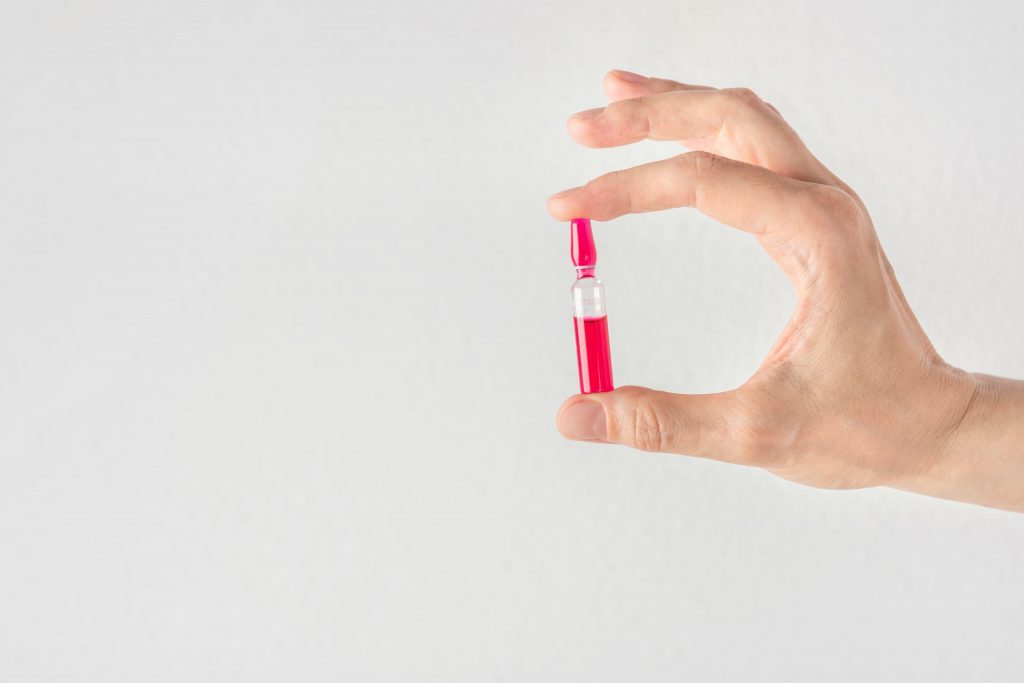
Regenerative Aesthetics offers Vitamin B12 injections in Mason, Ohio for appropriate patients with a documented or clinically suspected need for Vitamin B12 replacement.
Vitamin B12 is an essential nutrient involved in normal red blood cell formation, neurological function, DNA synthesis, and other important metabolic processes.
Some patients can obtain adequate Vitamin B12 through food or oral supplementation, while others may have difficulty absorbing B12 because of pernicious anemia, gastrointestinal conditions, previous gastrointestinal surgery, certain medications, or other medical factors.
B12 injections bypass gastrointestinal absorption and may therefore be appropriate when injectable replacement is medically indicated.
Treatment begins with an individualized evaluation of your symptoms, medical history, medications, diet, laboratory findings when appropriate, and potential causes of Vitamin B12 deficiency.
Regenerative Aesthetics welcomes patients from Mason, Cincinnati, West Chester, Deerfield Township, and surrounding Southwest Ohio communities.
What Is Vitamin B12?
Vitamin B12, also called cobalamin, is a water-soluble vitamin required for several essential functions in the body.
It plays an important role in normal red blood cell formation, neurological function, DNA synthesis, and cellular metabolism.
Vitamin B12 is naturally present primarily in animal-derived foods and is also available in fortified foods, oral supplements, and prescription formulations.
The body can store significant amounts of Vitamin B12, primarily in the liver. Because of these stores, a deficiency may develop gradually and symptoms can sometimes take years to appear.
The appropriate form of B12 replacement depends on the cause and severity of deficiency, gastrointestinal absorption, medical history, and individual treatment needs.
Who May Benefit From Vitamin B12 Evaluation or Injections?
Patients With Vitamin B12 Deficiency
Vitamin B12 injections may be appropriate when deficiency has been identified through medical evaluation and laboratory testing or when clinical findings strongly suggest a need for replacement.
Patients With Malabsorption
Some gastrointestinal conditions can interfere with the body's ability to absorb Vitamin B12 from food.
In these situations, injectable Vitamin B12 may be considered because it bypasses gastrointestinal absorption.
Patients With Pernicious Anemia
Pernicious anemia is an autoimmune condition that interferes with production of intrinsic factor, which is necessary for normal Vitamin B12 absorption.
Patients with pernicious anemia may require long-term Vitamin B12 replacement under medical supervision.
Patients After Certain Gastrointestinal Surgeries
Procedures involving the stomach or small intestine, including some bariatric surgeries, may reduce the body's ability to absorb Vitamin B12.
B12 status should therefore be evaluated when clinically appropriate following these procedures.
Patients Taking Certain Medications
Long-term use of certain medications may contribute to lower Vitamin B12 levels. Examples include metformin and some medications that reduce stomach acid.
Medication should not be stopped without medical guidance. Instead, B12 status can be evaluated when appropriate.
People With Limited Dietary Intake of Vitamin B12
Vitamin B12 occurs naturally primarily in animal-derived foods. People following vegan or some vegetarian diets may therefore have a greater risk of inadequate B12 intake if fortified foods or supplements are not used consistently.
What Are the Signs of Vitamin B12 Deficiency?
Fatigue and Weakness
Vitamin B12 deficiency can contribute to fatigue or weakness, particularly when deficiency has affected normal red blood cell formation.
Fatigue has many possible causes, however, so symptoms alone do not confirm a Vitamin B12 deficiency.
Anemia-Related Symptoms
Vitamin B12 deficiency can contribute to megaloblastic anemia and may be associated with symptoms such as pale skin, weakness, or palpitations.
Numbness or Tingling
Neurological changes associated with B12 deficiency may include numbness or tingling in the hands or feet.
Neurological symptoms can occur even in the absence of anemia, which is one reason appropriate diagnosis and treatment are important.
Tongue or Oral Changes
Vitamin B12 deficiency may sometimes be associated with glossitis or other changes affecting the tongue and mouth.
Cognitive or Neurological Changes
Significant B12 deficiency may affect neurological function, but memory problems or changes in concentration can have many possible causes and should not automatically be attributed to Vitamin B12.
Benefits of Treating Vitamin B12 Deficiency
Corrects Vitamin B12 Deficiency
The primary purpose of Vitamin B12 replacement is to correct an identified deficiency and restore adequate B12 status.
Supports Normal Red Blood Cell Formation
Vitamin B12 is required for normal red blood cell formation and DNA synthesis. Correcting deficiency can help address hematologic changes caused by inadequate B12.
Supports Normal Neurological Function
Vitamin B12 is essential for neurological health. Appropriate treatment of deficiency is particularly important when neurological symptoms are present.
May Improve Deficiency-Related Fatigue
When fatigue is related to Vitamin B12 deficiency, correcting the deficiency may help improve the underlying problem.
B12 should not be presented as a universal energy booster for patients whose Vitamin B12 status is already adequate.
Bypasses Gastrointestinal Absorption
Injectable Vitamin B12 delivers the vitamin without relying on absorption through the gastrointestinal tract, which can be useful in selected patients with malabsorption.
Vitamin B12 Injections vs. Oral B12
Both injectable and oral Vitamin B12 can be used to correct B12 deficiency in appropriate patients.
Injections have the advantage of bypassing gastrointestinal absorption and are commonly considered when significant malabsorption, pernicious anemia, severe deficiency, or another clinical reason makes parenteral replacement preferable.
High-dose oral Vitamin B12 can also be effective for some patients, including some individuals with impaired absorption.
The appropriate route should therefore be selected according to the cause and severity of deficiency, medical history, ability to absorb B12, treatment adherence, and individual preference.
An injection should not automatically be considered superior simply because it is administered directly into the body.
How Are Vitamin B12 Injections Administered?
Vitamin B12 injections are administered according to the specific prescription formulation and treatment plan selected by the medical provider.
Depending on the product and clinical indication, Vitamin B12 may be administered by intramuscular or other approved parenteral routes.
The appropriate dose, injection site, frequency, and duration depend on the type of Vitamin B12 product, reason for treatment, severity of deficiency, laboratory findings, absorption status, and individual response.
Your provider will explain the specific formulation and treatment schedule recommended for you.
How Often Do I Need Vitamin B12 Injections?
There is no universal schedule for Vitamin B12 injections.
Some deficiency treatment protocols begin with more frequent replacement and later transition to less frequent maintenance treatment, while other patients may require a different schedule based on the underlying cause.
Patients with permanent absorption problems may require long-term replacement, while patients with a temporary dietary or medication-related issue may have different needs.
The frequency of injections should be based on the prescribed formulation, diagnosis, treatment response, laboratory findings when appropriate, and medical guidance.
Weekly B12 injections are therefore not necessary or appropriate for every patient.
Do Vitamin B12 Injections Increase Energy?
Vitamin B12 is essential for normal cellular metabolism, but this does not mean that a B12 injection functions as a universal stimulant.
Vitamin B12 deficiency can contribute to fatigue, weakness, and anemia. When these symptoms are caused by deficiency, appropriate B12 replacement may help address the underlying problem.
However, research does not show that additional Vitamin B12 improves energy, athletic performance, or endurance in people who already have sufficient Vitamin B12 status.
Persistent fatigue should therefore be evaluated rather than automatically treated with repeated B12 injections.
Do Vitamin B12 Injections Help With Weight Loss?
Vitamin B12 injections should not be presented as a stand-alone weight-loss or fat-burning treatment.
Although Vitamin B12 participates in normal cellular metabolism, receiving additional B12 does not automatically increase metabolic rate or cause the body to burn more fat.
Patients with both Vitamin B12 deficiency and weight-management concerns may have each issue addressed as part of an individualized medical plan, but the treatments serve different purposes.
At Regenerative Aesthetics, medically supervised weight management is evaluated separately and may include evidence-based treatment options such as semaglutide when clinically appropriate.
Vitamin B12 and Mood or Cognitive Function
Vitamin B12 deficiency can affect neurological function, and some observational research has found associations between low B12 status and certain cognitive or mood-related concerns.
However, an association does not mean that Vitamin B12 injections are a treatment for depression, dementia, memory loss, or other neurological conditions.
Clinical trials have not demonstrated consistent cognitive improvement from B12 supplementation in people without a relevant deficiency.
Mood, memory, concentration, and neurological symptoms should therefore be appropriately evaluated rather than automatically attributed to low Vitamin B12.
How Is Vitamin B12 Deficiency Evaluated?
Evaluation begins with your symptoms, diet, medical history, medications, gastrointestinal history, and possible risk factors for deficiency.
Laboratory testing may include a serum Vitamin B12 level and, when clinically appropriate, additional tests to help clarify B12 status or identify associated anemia and nutritional concerns.
A low laboratory value should be interpreted together with the overall clinical picture.
The goal is not simply to achieve the highest possible Vitamin B12 number, but to identify whether deficiency is present, understand why it developed, and select appropriate replacement.
Medications That May Affect Vitamin B12 Levels
Certain medications can influence Vitamin B12 absorption or blood levels.
Long-term use of metformin may reduce Vitamin B12 absorption and lower serum B12 concentrations in some patients.
Medications that suppress stomach acid, including proton pump inhibitors and certain H2-receptor antagonists, may also interfere with absorption of food-bound Vitamin B12.
Do not discontinue a prescribed medication because of concerns about B12 levels. Instead, discuss whether B12 testing or supplementation is appropriate with your healthcare provider.
Possible Side Effects and Safety Considerations
Vitamin B12 injections are generally well tolerated when used appropriately, but any injectable medication can cause side effects.
Reactions can vary according to the specific B12 formulation and product. Possible effects may include temporary discomfort at the injection site or other medication-specific reactions.
Serious allergic reactions to parenteral Vitamin B12 have been reported, although they are uncommon.
Tell your provider about previous reactions to Vitamin B12, cobalt sensitivity, medications, medical conditions, pregnancy or breastfeeding, and any other relevant health information before receiving treatment.
Patients with significant anemia or complex medical conditions may require additional monitoring during treatment.
Why Choose Regenerative Aesthetics for Vitamin B12 Injections in Mason, Ohio?
At Regenerative Aesthetics, Vitamin B12 injections are approached as part of individualized medical wellness care rather than as a universal energy or weight-loss treatment.
Our team considers your symptoms, medical history, medications, diet, gastrointestinal history, laboratory findings when appropriate, and individual health needs before recommending B12 replacement.
When B12 treatment is appropriate, the formulation, frequency, and follow-up plan can be selected according to the reason for treatment and individual response.
Because Regenerative Aesthetics also offers medically supervised weight management, hormone evaluation, hair restoration, and other wellness services, symptoms such as fatigue or hair changes can be evaluated within a broader health context when appropriate.
We welcome patients from Mason, Cincinnati, West Chester, Deerfield Township, and surrounding Southwest Ohio communities.
Frequently Asked Questions About Vitamin B12 Injections
What is a Vitamin B12 injection?
A Vitamin B12 injection delivers a prescribed form of B12 through a parenteral route rather than relying on absorption through the digestive system.
Who may need Vitamin B12 injections?
Injections may be considered for patients with Vitamin B12 deficiency, significant malabsorption, pernicious anemia, certain gastrointestinal conditions or surgeries, or another clinically appropriate indication.
Do Vitamin B12 injections give you energy?
Correcting Vitamin B12 deficiency may improve fatigue when the deficiency is contributing to the symptom. Additional B12 has not been shown to provide a general energy boost in people who already have adequate B12.
Do B12 shots help with weight loss?
Vitamin B12 injections are not a stand-alone weight-loss or fat-burning treatment. Weight-management concerns should be evaluated separately using an appropriate medical treatment plan.
How often should I receive a B12 injection?
Frequency depends on the reason for treatment, specific B12 formulation, severity of deficiency, absorption status, treatment response, and medical guidance. There is no single schedule that is appropriate for everyone.
How long does a B12 injection last?
There is no universal 48- or 72-hour duration for a Vitamin B12 injection. Treatment schedules are based on the underlying condition and replacement needs rather than on a short-lived stimulant effect.
Does the body store Vitamin B12?
Yes. The body can store substantial amounts of Vitamin B12, primarily in the liver. Because these stores can last for an extended period, deficiency may sometimes take years to become clinically apparent.
Are B12 injections better than oral supplements?
Not necessarily. Injections can be particularly useful when absorption is impaired, while high-dose oral B12 may also be effective for some patients. The best route depends on the individual situation.
Can metformin lower Vitamin B12?
Yes. Long-term metformin use may reduce Vitamin B12 absorption and lower serum B12 concentrations in some patients. Discuss appropriate monitoring with your healthcare provider.
Can acid-reducing medications affect Vitamin B12?
Long-term use of certain proton pump inhibitors and other medications that reduce stomach acid may interfere with absorption of food-bound Vitamin B12.
Can vegans become deficient in Vitamin B12?
Yes. Natural food sources of Vitamin B12 are primarily animal-derived, so people following vegan diets need reliable fortified foods or supplementation to reduce the risk of deficiency.
Are Vitamin B12 injections safe?
Vitamin B12 injections are generally well tolerated when appropriately prescribed, but side effects and rare serious allergic reactions are possible. Treatment should be based on medical evaluation and the specific product being administered.
Schedule a Vitamin B12 Consultation in Mason, Ohio
If you are concerned about Vitamin B12 deficiency, fatigue, nutritional status, medication-related B12 changes, or problems with nutrient absorption, schedule a personalized consultation at Regenerative Aesthetics in Mason, Ohio.
Our team will review your symptoms, medical history, medications, diet, gastrointestinal history, and relevant laboratory findings to determine whether Vitamin B12 injections, oral supplementation, additional testing, or another approach may be appropriate.
Regenerative Aesthetics
969 Reading Rd N
Mason, OH 45040
Email: contact@regenspa.org